If you live, work, or spend holidays in Noosa, you currently know how rapidly a relaxed day can turn serious. A kid slips on wet tiles around the swimming pool, an internet user pulls a friend from a rip, an older relative collapses after a walk through the National Park. I have actually taught emergency treatment and CPR courses across seaside neighborhoods for many years, and Noosa is one of those places where the skill is not simply a box to tick for work. It is something that reasonably might be called on any weekend.
This guide walks through what to expect from an emergency treatment course in Noosa, how CPR training suits, who needs an emergency treatment certificate Noosa based, and how to go from "I know I need to do a course" to actually feeling great if somebody stops breathing in front of you.
I will describe typical local options such as an integrated emergency treatment and CPR course Noosa residents consider work, or a short CPR refresher course Noosa based employers typically ask for. The aim is not to sell a particular company, but to offer you the insight you normally just get after teaching numerous trainees and seeing what actually matters in the room.
Why first aid training matters so much in Noosa
Noosa looks well resourced from the outside, with lifesavers, surf clubs, and active community groups. Yet numerous aspects increase the value of strong first aid training in Noosa.
First, the geography indicates postponed medical aid is a real possibility. People walk into Noosa National forest with very little water and no phone signal. Mountain bicycle riders go out on trails in Tewantin Forest. Boaties invest hours offshore. When something fails, you could be 10 to 40 minutes from sophisticated care. Those minutes extend long when someone is unconscious, having an asthma attack, or bleeding heavily.
Second, the way of life favors water, sport, and outdoor events. This mix brings particular injury patterns: head knocks from boards, spinal issues in the browse, stings, bites, dehydration, heat illness, and heart events in older but still very active citizens and visitors.
Third, there is a mix of residents and visitors. In an emergency, complete strangers frequently end up being very first responders. A barista might be the very first person to see a patron slurring their words from a stroke. A surf school trainer may be the only one nearby when a traveler collapses in the coast break. When more individuals in a community hold up to date emergency treatment certificates, the chances increase that someone nearby understands what to do.
What a Noosa emergency treatment course really covers
A great Noosa emergency treatment course is designed to meet nationwide requirements, so the competencies are similar across Australia. What varies is how it is taught, how practical it feels, and whether it really prepares you to act, not simply pass.
Most Noosa emergency treatment courses that result in a nationally identified first aid certificate cover three huge areas:
Time crucial emergencies like cardiac arrest, choking, extreme bleeding, and anaphylaxis. Common injuries and diseases such as fractures, burns, asthma, diabetic emergencies, and seizures. Ongoing care and interaction, including monitoring a casualty till assistance shows up, turning over to paramedics, and handling bystanders.In practice, this means you will find out abilities such as:
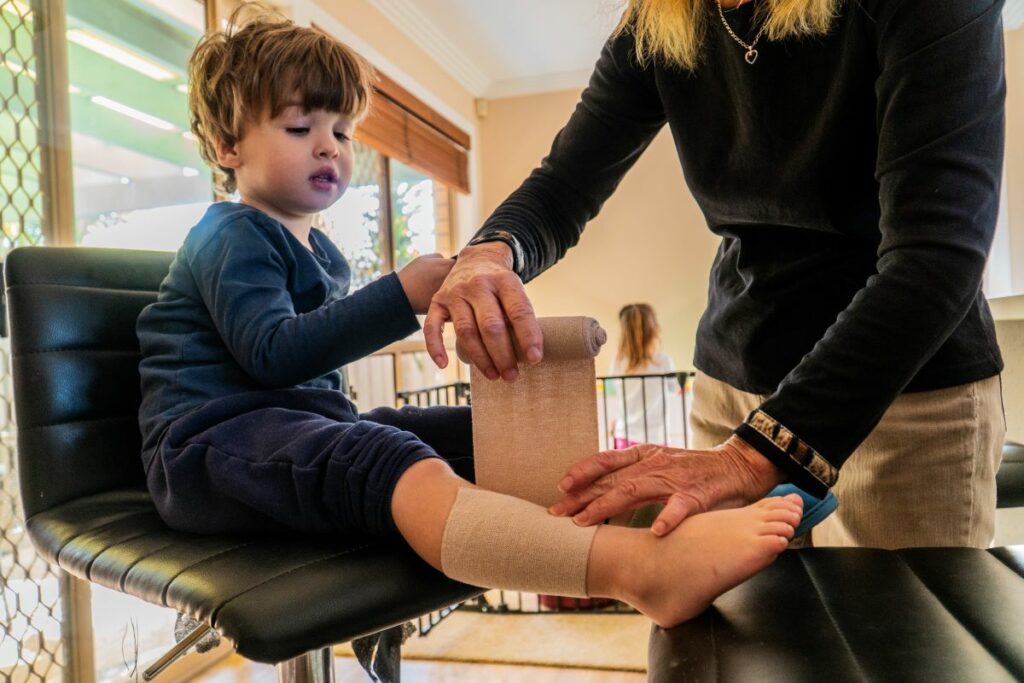
Placing somebody in the recovery position safely, consisting of heavily pregnant casualties or those with presumed spinal injury. Assessing the scene for risks, so you do not end up being the 2nd casualty. Performing CPR on grownups, children, and infants, with practical manikins and timing guided by a trainer or a metronome. Utilizing an AED with confidence, consisting of where to put pads, how to react to voice triggers, and what to say to panicked observers. Dealing with bleeding with pressure and bandaging, consisting of improvised solutions when your main kit is not handy. Identifying the signs of stroke, heart attack, asthma flare, and anaphylaxis, and acting rapidly, typically before the person accepts how major it is.
If you pick a combined first aid and CPR course Noosa based service providers commonly provide, your CPR abilities will typically be practiced in more depth, which is where authentic self-confidence begins to form.
CPR course Noosa: what to expect
CPR training is the part that makes most newbies worried. Individuals stress over "doing it incorrect" or harming somebody. I can inform you from experience that learners almost always underestimate what an individual in cardiac arrest genuinely requires. They need someone to start.
A focused CPR course Noosa individuals attend, either as a stand alone session or as part of broader first aid training in Noosa, will work through 3 primary pieces: acknowledgment, compressions, and defibrillation.
Recognition is the choice point. You find out to check for a response, open the respiratory tract, and check breathing. The first time trainees see an unresponsive manikin that "is not breathing usually", they frequently over analyse. By the end of the course, you must be comfortable making a quick call: breathing normally or not. If not, begin compressions.
During compressions, a trainer who knows their craft will coach your posture and method one information at a time. Lots of newbies begin too shallow and too slow. The objective is firm compressions, at the correct depth and rhythm, letting the chest recover between pushes, and reducing stops briefly. The difference in between weak and strong compressions is not subtle. When you feel it on the manikin, you comprehend why "good enough" matters.
With AED use, a realistic CPR training Noosa session will let you practice turning the gadget on, listening to prompts, positioning the pads properly on the chest, and standing clear for the shock. Trainees frequently feel stunned at how easy an AED is in practice, when the worry of electricity and liability is resolved with clear explanation.
Many locals complete a CPR refresher course Noosa based every 12 months. Skills and confidence fade without practice, especially for people who have never ever dealt with a genuine cardiac arrest. A refresher shortens the time between acknowledgment and action, which is where lives are saved.
First help training Noosa: how it feels as a beginner
Walking into your first emergency treatment course in Noosa, you can anticipate that slightly uncomfortable moment as adults introduce themselves around plastic manikins on the flooring. Within 20 minutes that awkwardness normally passes, because you get your hands on the abilities quickly.
I have actually seen hundreds of self explained "awful trainees" become some of the most capable first aiders in their work environments. They typically start from a place of stress and anxiety, however that anxiety makes them take notice of details that others gloss over.
A typical Noosa first aid course has a mix of industries: hospitality employees who need an emergency treatment certificate Noosa places need, browse trainers restoring their emergency treatment and CPR Noosa certifications, parents and grandparents taking a one day Noosa first aid course for household comfort, tradies and childcare workers doing obligatory Noosa emergency treatment training.
That mix really enriches the learning. For example, a childcare educator might share how they have seen seizures present in a different way in young children, or a browse coach can describe a genuine back issue in the browse and what rescuers did. A good fitness instructor will draw those stories out and link them directly back to the course content.
If you book a first aid course in Noosa through a supplier like Emergency treatment Pro Noosa or another nationwide RTO, you will generally complete some pre course reading or online theory. That lets the face to deal with time focus on practice and scenario work, instead of checking out from slides.
Most newbies inform me they walked in worried about the written assessment and walked out impressed by how much the useful work moved their self-confidence. They likewise comment that the day passes faster than expected, due to the fact that real circumstances and conversations keep it moving.
Combining first aid and CPR courses Noosa based
Many companies and industry bodies now need a complete first aid certificate together with existing CPR. That is why emergency treatment and CPR courses Noosa service providers run are often set up as a combined day: you complete theory online, then participate in a half day or one day face to face workshop that includes CPR.
Choosing an integrated first aid and CPR course Noosa broad has two main advantages. You just require to book, travel, and set aside one date for training. You see the link in between general first aid and CPR more clearly, because situations rarely stay separated in real life. An individual may begin with chest discomfort, collapse into heart attack, then require defibrillation and aftercare.
There are likewise trade offs. Combined days can feel intense for people with back or knee concerns who discover kneeling on the floor hard. In those cases, spacing training by scheduling different Noosa emergency treatment courses and CPR particular sessions can lower tiredness. Inform your trainer ahead of time if you have movement or discomfort concerns. A skilled fitness instructor will adjust the evaluation to allow chair based compressions on a raised manikin or other affordable adjustments, without compromising standards.
How long your emergency treatment certificate Noosa based will last
In Australia, a standard first aid certificate is generally advised for renewal every 3 years, while CPR is advised every 12 months. That implies many individuals schedule a complete first aid course Noosa based, then return each year just for a shorter CPR Noosa refresher.
From an abilities point of view, this schedule makes good sense. CPR is highly disposable. Your hands forget the feel of appropriate depth and rhythm. Choice making slows without repeating. By contrast, many parts of first aid, such as managing small wounds, calling for assistance, and assembling a fundamental package, remain familiar for longer.
If you work in childcare, aged care, education, security, or construction, your company or licensing body may define precise renewal durations. It is important to check these requirements before picking between a first aid course in Noosa, a CPR just session, or integrated first aid and CPR courses Noosa suppliers run.
Some people stress that if they let a certificate lapse by a few months, they should start again Noosa first aid training from no. In practice, many training organisations deal with a somewhat out of date certificate as a prompt to re do the course, but your previous knowing absolutely carries over. The process simply guarantees your documented credentials date lines up with standards.
What makes Noosa first aid training effective, not simply compliant
Not every Noosa emergency treatment training experience is equal. The content may be mapped to the exact same national units, however quality differs in between providers and even in between private trainers.
There are a few factors that regularly raise a Noosa emergency treatment course from "tick package" to genuinely useful.
Trainers with genuine clinical or field experience can ground theory in concrete examples. Paramedics, nurses, or skilled lifesavers turned trainers do not just repeat textbook phrases. They inform you what really goes wrong on scenes, such as bystanders crowding the casualty, stressed member of the family, or sound levels that make communication hard, then they coach particular strategies to handle those realities.
Scenario based practice is another secret. Reading about an unconscious casualty is extremely various from kneeling next to somebody role playing a collapse in a noisy room. Great Noosa first aid training will utilize sensible, however manageable, situations to require you to choose and act, then debrief. This moves knowledge from your head into muscle memory and choice patterns.
Training that reflects local dangers is likewise valuable. Around Noosa, that need to consist of water related emergencies, heat stress, bush and metropolitan settings, potential delays to ambulance access during peak times, and tourist heavy environments where language barriers may exist. When a fitness instructor uses examples from other states that do not fit seaside Queensland life, learners mentally examine out.
Finally, class size and environment matter. A congested space crammed with 20 plus individuals lowers your opportunity to ask questions, repeat abilities, and get direct feedback. A calmer environment where teachers welcome uncertainty, and do not ridicule sincere errors, helps newbies unwind enough to learn. If you have actually ever had an instructor who made you feel small for asking "fundamental" concerns, you understand how harmful that can be.

How to choose the right emergency treatment course in Noosa
When you look for "emergency treatment courses Noosa" you will see a lot of alternatives, from national companies like First Aid Pro Noosa to smaller local operations. The sheer range can feel frustrating if you have actually never ever reserved before.
Here is a basic procedure that typically helps individuals narrow it down.
Check your requirements. Ask your company, market body, or club precisely which system codes or certifications they require. For work functions, look for nationally acknowledged training. For personal interest, you have more liberty, however it still makes good sense to choose a credible provider for quality and consistency. Consider place and schedule. Is the venue available by public transport or simple parking, and does the schedule match your shifts or family dedications. Noosa emergency treatment training is frequently set up on weekdays and occasional Saturdays. Reserving a date that you are not likely to leave midway through matters more than people think. Look at course design. Some individuals love face to face for whatever, others prefer a mixed format where theory is online and classroom time is mainly useful. Lots of first aid courses in Noosa now utilize online pre knowing, which usually shortens the day and keeps the workshop dynamic. Research the fitness instructor or organisation. Online reviews need to be taken with some care, however patterns in remarks provide clues. Try to find feedback that points out confidence, clearness, and useful focus, not simply "inexpensive" or "quickly". Ask about assistance and re scheduling. Life occurs. Kids get ill, shifts alter, roadways close from storms. Check the policy on moving your first aid course Noosa reservation, and whether there is follow up support like refresher products or suggestion e-mails when renewal dates approach.By costs a couple of extra minutes on these points, you prevent the common trap of booking purely on lowest in advance rate, then being sorry for a rushed, under resourced course later.
What to bring and how to prepare for a Noosa emergency treatment course
Students often get here either over prepared with a backpack filled with equipment, or under prepared and flustered. A middle ground works best.
A brief list for your course day:
- Photo ID and your reservation verification, printed or on your phone. Comfortable clothes that allows you to kneel, bend, and move, plus a light layer for air conditioned rooms. A bottle of water and light snacks, specifically if you have blood sugar level issues. Reading glasses if you utilize them, for composed jobs or online components. Any medications or medical assistances you require for the day, such as asthma inhalers or knee braces.
Completing any assigned pre course theory before you show up is the single most handy preparation. You stroll in with the vocabulary and structure currently in your mind, so practice feels more like great tuning than very first exposure.
If English is not your mother tongue, let the provider know ahead of time. Numerous trainers are experienced at adjusting explanations, utilizing more visuals, or enabling a bit more time for written concerns. The same applies if you have discovering distinctions, sensory difficulties, or anxiety. Silently telling your fitness instructor at the start of the day is often enough for them to change their style in ways that relieve your experience without drawing unwelcome attention.
Realistic expectations: what a first aid course can and can not do
Even the best Noosa first aid course has limits. You will not leave as a paramedic, and you must not feel accountable for every emergency in your community. What you can relatively expect is to develop a strong foundation.
You will understand how to approach a scene safely and rapidly assess somebody's airway, breathing, and flow. You will have the ability to start CPR Noosa style in any public space, whether at the beach, a café, a building site, or a home, while someone else calls an ambulance. You will be proficient with standard bandaging, splinting improvised assistance, cooling burns, and using an EpiPen if somebody has a severe allergic reaction.
You will also understand how to use your judgment. Sometimes first aid involves choosing not to move a casualty until specialists get here. Other times, such as when there is instant risk from traffic, fire, or browse, you may require to move somebody despite back issues. Those judgment calls can not be totally scripted, which is why thoughtful scenario discussions in Noosa emergency treatment courses matter.
A course can not ensure that you will feel calm in every emergency situation. People react differently under stress. What it can do is offer you a mental checklist and useful self-confidence, so even if your heart races, your hands know where to start.

The local context: Noosa specific emergency treatment considerations
Living or operating in Noosa shapes the sort of incidents you are most likely to experience. When choosing emergency treatment training in Noosa, it helps to think through those regional patterns.
For example, surf and water related events are not uncommon. A useful Noosa emergency treatment course will review safe saves, even if only at a fundamental level, plus hypothermia, secondary drowning issues, and spinal management in a water context. Surf clubs and marine centres typically supplement basic emergency treatment with their own particular rescue training, but having all personnel CPR trained offers a critical baseline.
Heat and dehydration are constant problems in warm months, specifically for visitors who underestimate Queensland sun. I have seen experienced locals forget their own recommendations on a "moderate" day, only to wind up woozy and confused after a few hours outside. Training that covers early signs of heat exhaustion, fluid replacement, and cooling procedures is more than theory in this region.
Outdoor activities increase direct exposure to bites and stings. From bluebottles and jellyfish to snakes and spiders, individuals desire clear, current guidance instead of old myths. Good Noosa first aid training will separate in between conditions that take advantage of pressure immobilisation and those that do not, and will update participants on altering recommendations.
Finally, gain access to and distance matter. Rural borders and hinterland areas around Noosa can deal with longer ambulance reaction times, specifically when vacation traffic is heavy. Community members in those locations benefit acutely from strong emergency treatment and CPR abilities, as they might be the only assistance within reach for critical minutes.
Taking the next action from interest to action
Many people sit on the idea of doing a Noosa first aid course for months or even years. They inform themselves they are "too busy" or that emergencies are not likely. Then they witness something confronting, like a colleague collapsing, a car accident, or a child choking in a café, and they reserve a course the next day.
You do not need to wait for that moment. The financial investment of one day for emergency treatment training in Noosa, or a few hours for a CPR course Noosa based, repays itself quietly every time you feel less defenseless in a dangerous situation.
If you are currently trained but out of date, think about a CPR refresher course Noosa offers and prepare your next complete emergency treatment renewal. If you have never trained, look for a trustworthy Noosa first aid training service provider, check that the course matches your needs, and lock in a date within the next month. Treat it as seriously as you would an essential conference or medical appointment.
Confidence does not appear by checking out instructions on the wall next to an AED. It grows when you kneel on the flooring, press on a manikin's chest, talk through a scenario, and have a trainer stand next to you saying, "Yes, that is the depth. Keep going." For numerous Noosa locals and visitors, that experience has been the difference between standing back and advance when it mattered most.
Nationally Recognised First Aid Courses Noosa Locals Trust! First Aid Pro is one of Noosa’s leading providers of accredited CPR and first aid courses. Established in 2010, our nationally registered training organisation (RTO) has equipped over 3 million Australians with essential life-saving skills through our experienced team of 110+ expert trainers. Conveniently servicing Noosa and the Sunshine Coast region, we provide top-quality, nationally accredited CPR and first aid training sessions tailored to your needs, whether for workplace requirements, career advancement, or personal safety. From childcare-specific first aid training to advanced first aid and resuscitation courses, we’ve got you covered. First Aid Pro – First Aid Course Noosa Noosa Conference Centre 73 Hilton Terrace Noosaville QLD 4566 Australia Phone: (08) 7120 2570 Secure your Noosa first aid course or CPR training with us and build the confidence to handle emergencies with a trusted Noosa first aid provider. Take the first step towards becoming a skilled and capable first aider with First Aid Pro Noosa today.
Location & Venue Details Our First Aid Pro Noosa courses are held at Noosa Conference Centre, 73 Hilton Terrace, Noosaville QLD 4566, conveniently located in the heart of Noosaville. This modern and well-equipped venue provides a professional and comfortable training environment ideal for first aid, CPR, and childcare first aid courses. It’s the perfect location for participants travelling from Noosaville, Noosa Heads, Tewantin, Sunrise Beach, and surrounding Sunshine Coast suburbs. Situated close to the Noosa River, the venue is near popular local landmarks including Noosa Marina, Noosa Civic Shopping Centre, Noosa National Park, and Hastings Street. The surrounding area offers a variety of cafés, restaurants, and takeaway outlets—perfect for enjoying lunch or coffee before or after your course. With easy access to Noosa Main Beach and nearby riverside parks, it’s also a great place to relax before or after your training. Training is conducted in spacious, air-conditioned rooms within Noosa Conference Centre, equipped with high-quality first aid and CPR training equipment and comfortable seating. The venue provides convenient onsite parking and nearby street parking for participants attending the course. The site is fully accessible, offering step-free entry and accessible restroom facilities, ensuring a smooth and inclusive training experience for all learners.